Financing Forces Founders
May 24, 2024
Revitalising Entrepreneurship: Forging New Paths with Higher Education and Industry Collaboration
July 10, 2024
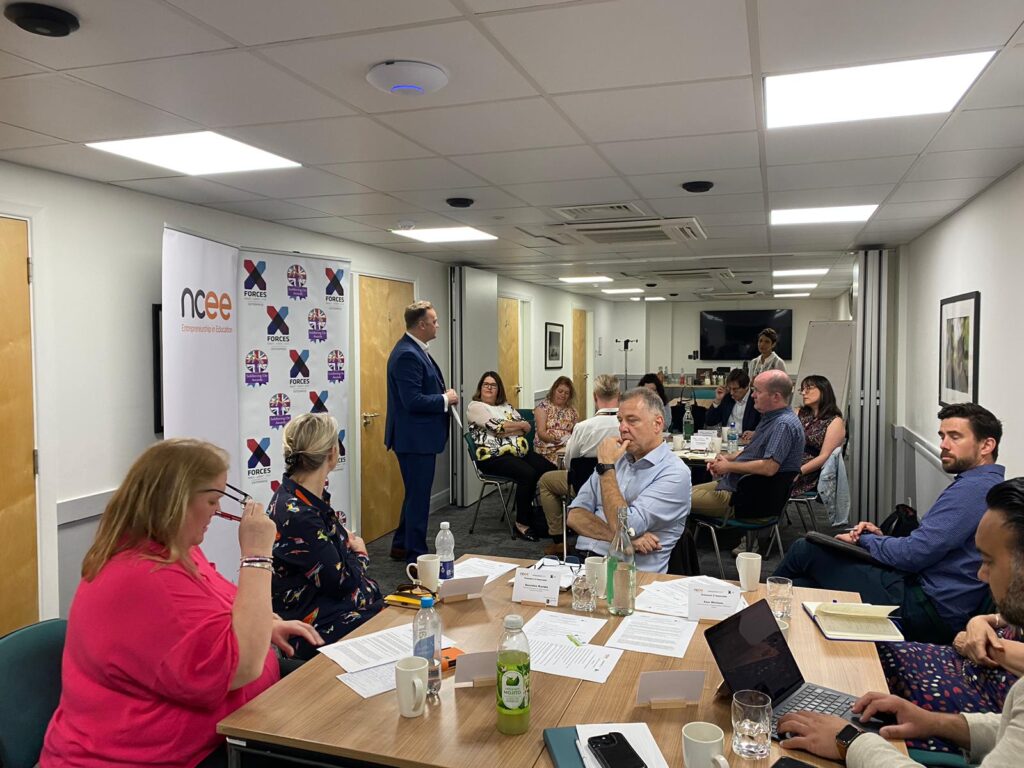
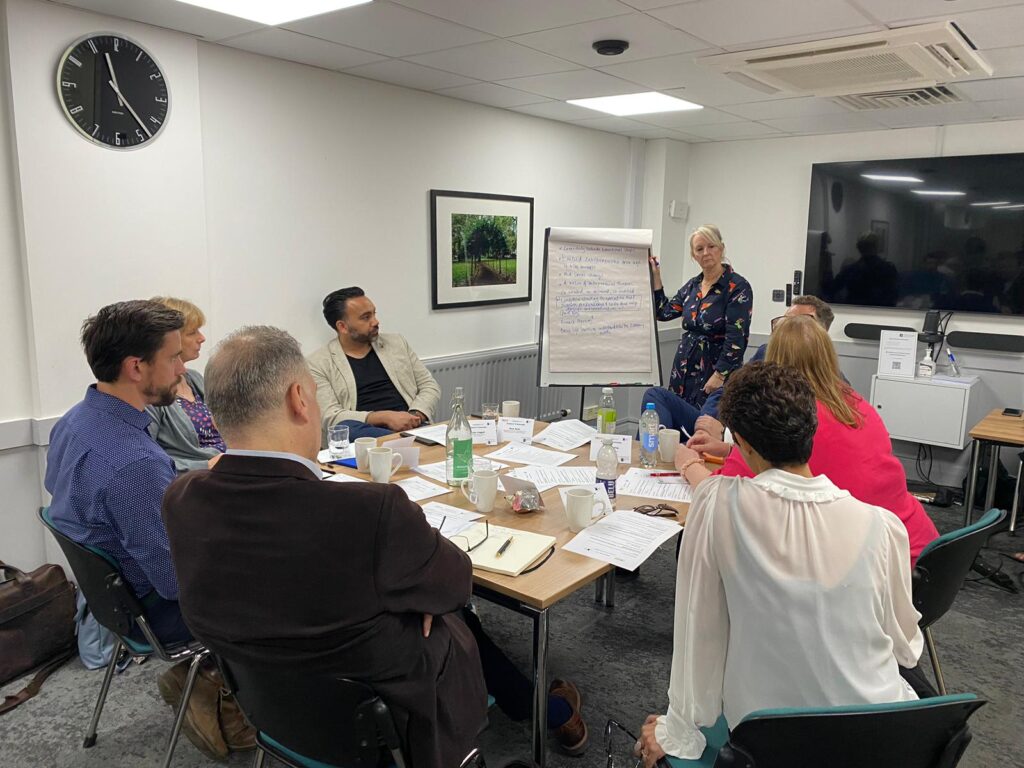
It was fantastic to co-lead our inaugural Connect 2 Innovate Roundtable with Prof Gary Packham and NCEE on June 27th 2024.
Getting business and innovative universities around the same table reminded me of the start of the excellent work we did with the Enterprise and Education Taskforce in 2009 – 2017. We all wanted to reignite the discussion on how universities and industry should be collaborating to revitalise entrepreneurship in higher education. The timing for this couldn’t be better; between academia and industry we need to push forward with a strategy involving the coalition of the willing. Economic growth continues to be important and entrepreneurship and intrapreneurship are the key as a mindset.
This year will mark 15 years since I was appointed as the national employer champion, (one of five in the UK at the time), bridging the gap between the education system and industry on the important topics of enterprise, business and finance. I’ve worked with many excellent corporate and academic institutions since then on these important topics and inspired by the discussions that we will get some movement on this again, with some updated nuances of course!
My more recent focus has been in developing both entrepreneurial and intrapreneurial skillsets as highly technically skilled individuals (particularly from the military) transition to new exciting careers in either self-employment or in transformative roles as employees. My work as a visiting Professor in Entrepreneurship at Anglia Ruskin University is illuminating and now gives me the chance to get the academic and corporate worlds working closer together in areas that have been neglected in recent years.

Enterprise & Entrepreneurship Education is more than Unicorns
Research indicates that interest in entrepreneurship among 14-25-year-olds is high, but many lack the knowledge on how to pursue it. Interest is notably higher among those in higher education, underscoring universities’ pivotal role.
Academic institutions play a crucial role in fostering this entrepreneurial mindset. However, the narrowing of educational objectives, combined with reduced funding, has deprioritised enterprise education. Support has become more narrowly focused on finding the next ‘unicorn’ rather than fostering a broad base of entrepreneurial talent.
Entrepreneurship is not solely about starting new businesses; it is about a passion for problem-solving, a drive to instigate change, and the ability to identify and act on opportunities that create meaningful impact. This group – with which I’m delighted to work – wants to empower students and graduates to become enterprising individuals by developing key skills such as adaptability, resilience, and determination. These qualities enable them to transform lives, businesses, and society.
My belief (as long as I can remember) has been that enterprise and entrepreneurship should be woven into the fabric of education at all levels. A thriving society relies on innovative individuals who can creatively seize opportunities and tackle challenges. Encouraging engagement with entrepreneurship is essential for cultivating a more enterprising society.
Interestingly, while many UK industrial strategies emphasise differentiation, they often propose similar priority sectors and interventions. This raises questions about the UK’s continued leadership in fostering entrepreneurship. The latest Global Entrepreneurship Monitor report indicates the UK is falling behind in several key areas, including policy support, resources, business infrastructure, and education.
Collective Launchpad
I’m delighted to be working with Ceri Nursaw at NCEE, Greg Wade at Universities UK, and not least Caroline Lavelle at the Federation of Small Businesses, and others on addressing this decline, leaning in with universities and leading on the corporate and small business engagement. It is really pleasing that some of our valued partners from industry want to be part of a growing relationship with universities. Thank you to Mark Neill, our Non-Executive Director, for leading the charge on the ‘big business’ perspective.